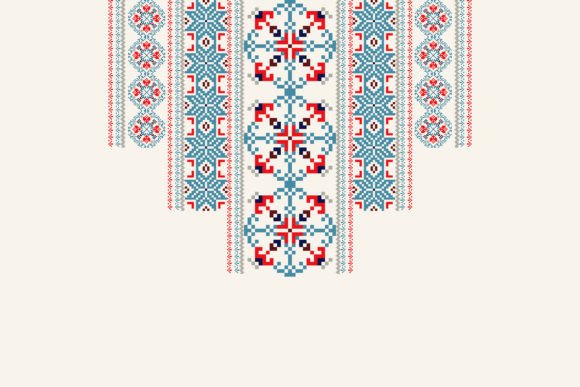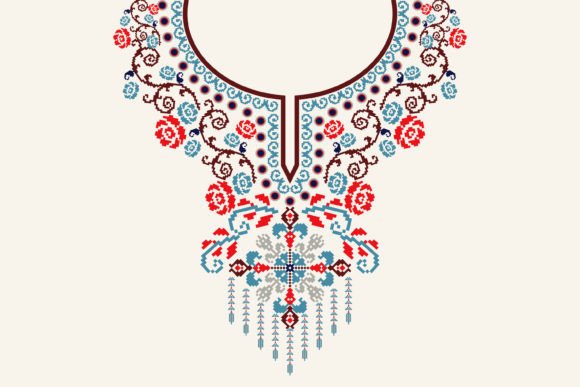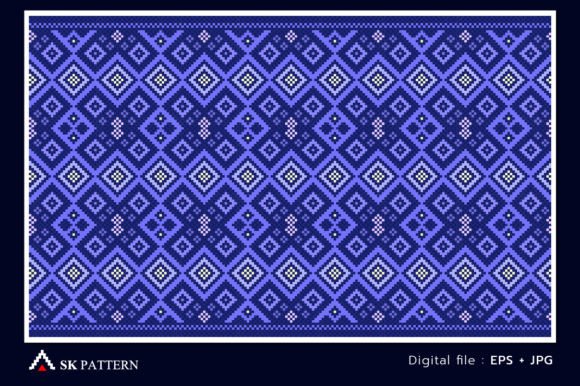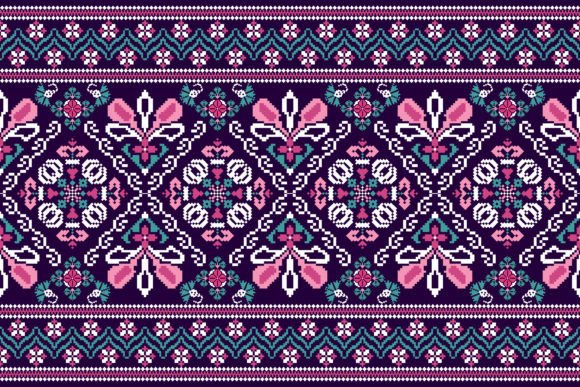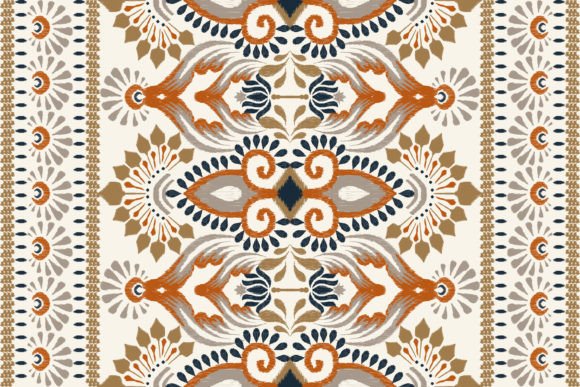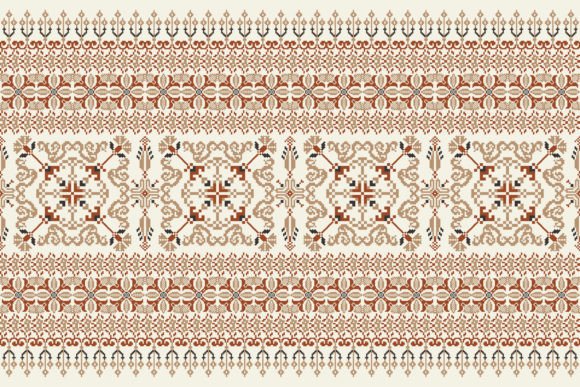
Geometric Floral Cross Stitch Embroidery
First Impressions: A Unique Blend of Tradition and Modern Design
The Geometric Floral Cross Stitch Embroidery immediately catches the eye with its intricate balance of traditional motifs and modern abstraction. The ethnic oriental pattern, infused with Aztec style elements, creates a visually rich design that feels both handmade and refined. This makes it an excellent choice for small business merch, especially for brands looking to evoke a sense of craftsmanship and cultural depth.
As an embroidery designer, I find the white background to be a strong foundation, allowing the design to stand out on a variety of fabrics. The geometric floral elements suggest a level of precision that aligns well with professional branding, while the cross-stitch technique adds a tactile, artisanal quality that appeals to handmade product lovers.
Real Business Use: Versatile for Branding and Merchandise
Geometric Floral Cross Stitch Embroidery is highly versatile when it comes to real-world applications. It works exceptionally well as an embroidered patch, making it ideal for staff uniforms, apron embroidery, and cap embroidery. Its abstract nature allows it to blend seamlessly into custom apparel without overwhelming the overall look.
For tote bag design, this embroidery can serve as a striking accent or focal point, enhancing the visual appeal of eco-friendly bags. It also has potential as a product packaging accent, adding a premium feel to gift boxes or retail displays. Small business owners can use it to create customer gifts or event merch that reflects their brand identity.
When used on work shirts or product labels, the design adds a touch of elegance without being too flashy. It’s perfect for boutique merchandise, where visual consistency and professionalism are key. For Etsy sellers and craft business assets, this design offers a unique selling point that can differentiate their offerings in a competitive market.
Where to Use With Caution: Key Considerations for Embroidery
While Geometric Floral Cross Stitch Embroidery is impressive, there are certain scenarios where it may not perform as well. On small patch sizes, the fine details could become lost, making it less effective as a logo or identifier. Similarly, on curved surfaces like caps, the design might require adjustment to maintain its integrity.
High stitch density and detailed outlines could pose challenges on textured fabric or dark uniforms, where visibility might be compromised. Tiny lettering, if included, would need careful placement to ensure legibility. Businesses planning to use this design on items that will be washed frequently should consider how the embroidery holds up over time.
It's important to test the design at various scales before committing to production. Ensuring that the thread colors contrast well with the fabric and that the hoop size is appropriate for the project will help avoid issues during the embroidery process.
Impact on Brand Identity and Customer Perception
Using Geometric Floral Cross Stitch Embroidery can significantly enhance brand identity. Its intricate patterns convey a sense of care and attention to detail, which can build customer trust and recognition. For small businesses, this design helps elevate the perceived value of their products, making them stand out in a crowded market.
When incorporated into custom apparel or branded merchandise, the design reinforces a consistent visual language that aligns with the brand’s personality. Whether a business leans toward a rustic, elegant, or playful aesthetic, this embroidery offers flexibility in how it’s applied.
As a handmade product, the design supports the growing trend of artisanal and locally made goods. It can also be used in printable mockups to give clients a clear idea of how the finished product will look. For commercial embroidery projects, ensuring proper licensing is essential before finalizing any designs for public use.
Embroidery Designer Notes: Best Practices for Success
Before using Geometric Floral Cross Stitch Embroidery in a real project, it’s wise to test it in black and white first. This helps assess how the design translates on different fabrics and under varying lighting conditions. Checking the design at small patch size is also crucial to ensure it remains recognizable and effective.
Reviewing thread color contrast is another important step. The design may look great on a white background, but it needs to stand out against other fabric colors. Inspecting spacing and confirming the correct hoop size will prevent issues during the embroidery process.
Testing on real fabric and using the right stabilizer can make a big difference in the final outcome. Creating a mockup for client approval ensures that everyone is on the same page before moving forward. Comparing the design beside other design assets helps maintain visual consistency across all branding materials.
Finally, always confirm commercial licensing before using the design for business purposes. While the product description mentions it’s suitable for texture, fabric, clothing, and decoration, specific terms may vary depending on the source of the digital embroidery file.